Southern Restaurant Meals That Satisfy Every Craving
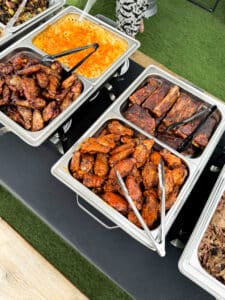
There is a reason people return to a good Southern restaurant with unusual loyalty. It is not just nostalgia, and it is not only about generous portions. Southern cooking has a rare ability to meet people exactly where they are. If you want comfort, it delivers comfort. If you want heat, crunch, smoke, sweetness, or richness, it has an answer ready. Few dining traditions cover such a wide emotional range while still feeling grounded in everyday eating.
That range matters more than people sometimes admit. Most diners do not walk into a restaurant craving a category as broad as "Southern food." They walk in wanting something specific. Maybe they need a crisp piece of fried chicken with a peppery crust after a long day. Maybe they want shrimp and grits that taste like someone in the kitchen has made it a thousand times. Maybe they want a biscuit that breaks open with steam and does not need a speech to prove its worth. The best Southern restaurant understands those cravings at a practical level. It knows how to satisfy appetite, memory, and mood in the same meal.
Southern food also resists simplification. It is often talked about as if it were one thing, but any cook who has spent time in the region knows better. Lowcountry seafood, Appalachian preservation, Louisiana spice, Delta cooking, Texas smoke, and Sunday supper traditions across Georgia, Alabama, the Carolinas, Tennessee, and Mississippi all shape what lands on the table. When a restaurant does this cuisine well, it is not just assembling familiar dishes. It is balancing texture, seasoning, timing, and hospitality with real care.
Why Southern meals feel so complete
A satisfying meal is usually built on contrast. Southern cooking is particularly good at contrast because it rarely leans on one note for too long. Crunch meets tenderness. Smoke meets sweetness. Vinegar cuts fat. Creamy sides support spicy proteins. Hot food is paired with cool slaw, tart pickles, or bright greens. Even the bread plays a role, whether that means cornbread with a crisp edge or a soft biscuit designed to capture gravy without collapsing.
That is one reason Southern restaurant menus tend to feel generous without always feeling heavy. Yes, there are rich dishes, and plenty of them. Yet richness is usually offset by practical kitchen wisdom. Fried catfish gets a squeeze of lemon or a swipe of hot sauce. Pulled pork comes with slaw. Braised greens bring bitterness and acidity to the plate. A bowl of gumbo might start deep and dark, then finish with scallions and a little heat to wake everything up. Good Southern food understands that if every component shouts, the meal gets tiring fast.
Portioning matters too. Southern restaurants have a reputation for abundance, but the stronger places do more than pile food high. They think about pacing. A fried chicken plate needs sides that are just as considered as the bird itself. Mac and cheese should be creamy but not so dense that it turns the second half of the meal into work. Sweet tea can be enjoyable, but if it is the only note of sweetness on the table, dessert loses impact. Experience shows in these details.
Fried chicken, the benchmark dish
If a Southern restaurant serves fried chicken, that plate often tells you almost everything you need to know about the kitchen. Fried chicken seems straightforward until you make it repeatedly at volume. The seasoning must penetrate beyond the crust. The breading must adhere. The oil temperature has to stay disciplined even during a rush. White and dark meat cook differently, and cooks need the judgment to keep one from drying out while the other catches up.
The best versions come out with a crust that stays crisp longer than expected. You hear it before you taste it. That first bite should offer resistance, then give way to juicy meat that is properly salted all the way through. Pepper matters. So does garlic. Some kitchens lean toward a thinner, shattering crust. Others go for something craggier and more rugged. Both can work. What separates average from memorable is balance.
Sides are where this meal becomes personal. A diner in a comfort-food mood may want mashed potatoes and gravy, collards, and a biscuit. Someone else may chase contrast instead, pairing the chicken with pickles, slaw, or field peas. Restaurants that understand fried chicken know that accompaniments are not extras. They are pressure valves for all that savoriness.
There is also a difference between chicken made to impress and chicken made to satisfy. The former often arrives overly stacked, drizzled, or sweetened. The latter looks modest and disappears quickly. Southern food has room for creativity, but fried chicken rewards restraint more than showmanship.
Barbecue, where craving turns serious
Barbecue can define a Southern restaurant in a completely different way. Here, gratification comes from patience. Smoke, time, and technique cannot be rushed without consequences. A brisket sliced too early spills its juices on the board instead of holding them in the meat. Pulled pork left too long dries at the edges. Ribs glazed without care become sticky rather than lacquered.
What diners crave in barbecue varies by region and by mood. Some want bark and smoke, the blackened exterior that carries concentrated flavor. Others want tenderness and sauce. Neither instinct is wrong. What matters is whether the restaurant understands its own style and executes it with conviction.
Pulled pork is often the clearest test because it looks forgiving and is not. The meat should be soft but still textured, not mushy. It should hold smoke without tasting acrid. Sauce, when added, should sharpen and support, not drown. Eastern Carolina vinegar sauce wakes pork up beautifully, especially when the shoulder is rich. Tomato-based sauces suit diners who want a sweeter finish. White sauce, more common in parts of Alabama, works well with smoked chicken and surprises people who have only known red barbecue traditions.
Brisket, although deeply associated with Texas, now appears on many Southern menus. When done well, it brings a different pleasure than pork. The slice bends before it breaks. Fat renders to silk. Pepper carries the bark. A little goes a long way, which is why the best barbecue plates often pair it with modest sides rather than oversized ones.
And then there are the sides, which in barbecue houses can be half the point. Baked beans should taste cooked, not simply heated. Potato salad needs seasoning or it becomes dead weight. Slaw should bring acid and crunch. Banana pudding, when available, is not an afterthought. It is often the correct final note after smoke and spice.
Shrimp and grits, when comfort gets refined
Some dishes prove that Southern food can feel elegant without becoming precious. Shrimp and grits is one of them. At its best, it is a master class in texture and restraint. The grits should be creamy and distinct, not gluey. The shrimp should be cooked just to the point of firmness, then pulled before they toughen. The sauce, whether built from stock, bacon drippings, butter, cream, tomatoes, or some combination, should tie the bowl together rather than turn it into soup.
This dish changes noticeably from one restaurant to another. In some kitchens it leans rustic, with smoky sausage, tasso, and a deep savory base. In others it turns brighter, with lemon, herbs, and just enough Southern restaurant butter to carry the seafood. Both styles can be excellent. Trouble starts when chefs add too many competing elements. Grits are humble but demanding. They need room to matter.
A well-made bowl of shrimp and grits satisfies a very specific craving. It is not the same craving as fried food or barbecue. It is softer, more centered. You want warmth, richness, and a bit of coastal salinity, but you also want the meal to feel composed. This is often the dish ordered by someone who wants Southern flavor without committing to the heaviest thing on the menu.
Restaurants that make great shrimp and grits usually take grain seriously. Stone-ground grits have more personality and require more attention. Quick grits can fill a plate, but they rarely carry the same depth. Diners may not always identify that difference in words, yet they taste it.
Biscuits, cornbread, and the bread basket test
Bread reveals standards fast. In a Southern restaurant, a biscuit or wedge of cornbread often arrives before the main event, which means it sets the tone. If the bread is dry, dense, or forgettable, diners become less forgiving. If it is excellent, the kitchen earns trust immediately.
A proper biscuit should feel light in the hand and tender inside, with layers or at least a clear sense of lift. It should taste of butter or shortening without becoming greasy. Gravy can help, but a biscuit should not require gravy to be worth eating. One of the simplest marks of a disciplined kitchen is serving biscuits warm enough to open easily and cool enough to eat without waiting ten minutes.
Cornbread is more divisive because regional preferences run deep. Some diners want it sweet, almost cakelike. Others insist on a savory version with a crisp skillet edge. In my experience, restaurants do best when they commit fully to one style instead of trying to split the difference. Half-sweet cornbread often pleases nobody. The best savory versions have real corn flavor and enough fat to keep the crumb tender. The best sweet versions still respect texture and avoid becoming dessert by accident.
These small breads matter because they capture what Southern food does so well. They turn basic ingredients into something craveable, useful, and memorable. They are vehicles for butter, cane syrup, pepper jelly, sorghum, gravy, or simply the juices left on a plate. Good bread extends the meal.
Seafood deserves more attention than it gets
For many diners, the phrase Southern restaurant still calls up fried chicken first. Fair enough. But seafood deserves equal billing, especially in coastal traditions. Gulf shrimp, oysters, blue crab, redfish, trout, catfish, and crawfish all belong to the conversation. So do preparations that range from simple frying to stews and boils.
Fried catfish remains one of the most satisfying plates in the South when handled correctly. The cornmeal coating should be seasoned and crisp, the fish mild but not bland. Hush puppies belong here, preferably hot enough to steam when split. Tartar sauce is fine, but hot sauce and lemon often do more for the plate.
Oysters Southern restaurant show a different side of Southern dining. Charbroiled oysters with garlic butter and herbs can make a table go quiet in seconds. Fried oysters tucked into a po' boy offer brine, crunch, and softness in the same bite. A seafood platter, when assembled thoughtfully, gives variety but can also expose weak frying technique. It takes skill to fry shrimp, oysters, fish, and soft-shell crab so that each tastes like itself rather than like a generic batter.
Then there are gumbos and étouffées, dishes that ask for patience from the cook and trust from the diner. A dark roux has a flavor arc all its own, nutty and bitter in a good way, with a complexity that cannot be faked at the last minute. Rice matters in these dishes. So does the ratio of solids to broth. Too thick, and the bowl feels muddy. Too thin, and it reads as unfinished.
The vegetables are never just supporting players
One sign of a serious Southern kitchen is the respect it gives vegetables and beans. Greens, peas, okra, squash, cabbage, sweet potatoes, and butter beans are not decorative. They carry tradition, thrift, seasonality, and technique. When they are done well, they can outshine the protein.
Collard greens need enough cooking to soften but not so much that they lose all identity. Pot liquor should taste seasoned and alive, not flat and salty. Turnip greens bring a sharper edge. Mustard greens can stand up to smoke and vinegar beautifully. Field peas with snaps, black-eyed peas, or butter beans offer a different kind of comfort, softer and quieter but deeply satisfying when seasoned with stock or a bit of pork.
Okra remains a useful measure of confidence in the kitchen. A restaurant that knows how to fry it crisp or stew it without turning it slimy usually understands ingredient handling. Smothered cabbage, braised green beans, roasted sweet potatoes, or skillet corn can also transform a plate from heavy to complete.
Vegetable cookery is where Southern food often shows its resourcefulness. Historically, these dishes came from making the most of what was available, often with little waste. That practicality still matters. It is why a side of greens can feel as essential as any entree.
When breakfast is on the menu, pay attention
Southern restaurant culture often shines brightest at breakfast and brunch, when familiar ingredients get tested by timing. Eggs cannot wait. Biscuits need to be fresh. Grits tighten as they sit. Gravy skins over. What seems simple exposes every weak spot in a kitchen.
Chicken and waffles can be magnificent or clumsy. The chicken needs enough seasoning to stand up to syrup. The waffle must be crisp at the edges and tender in the center, not a sponge under a heavy topping. Biscuits and gravy have similar stakes. The gravy should taste of sausage and black pepper, not just flour and milk. Hash browns or breakfast potatoes need color. Soft scrambled eggs need restraint.
A country ham biscuit can say more about a Southern restaurant than a dozen decorative dishes. Ham that is salty, chewy, and sliced with care against a warm biscuit is almost perfect in its directness. Add a little mustard or preserves and it becomes a study in balance.
Breakfast also reveals whether the restaurant understands pace. Southern hospitality is not only about friendliness. It is about getting hot food to the table hot, especially when timing is the whole game.
Dessert is part of the craving, not an add-on
A meal this satisfying needs a finish with purpose. Southern desserts often succeed because they are direct. Banana pudding, pecan pie, peach cobbler, bread pudding, hummingbird cake, chess pie, and buttermilk pie do not hide what they are. They aim for generosity, texture, and flavor that lingers.
Banana pudding is a good example of how simplicity can turn exacting. The custard should taste real, not powdered. The bananas should be ripe but not collapsing. Vanilla wafers need enough time to soften slightly while still keeping some structure. Whipped cream or meringue changes the character of the dessert, and strong restaurants know which version fits their identity.
Cobblers and crisps benefit from contrast just as savory dishes do. Warm fruit, buttery topping, and cold ice cream still work because they should. Pecan pie walks a narrow line between luxurious and cloying. The better versions have toasted depth and enough salt to keep the sweetness in check.
Dessert in a Southern restaurant often answers the final craving diners did not know they still had. After smoke, salt, crunch, butter, and spice, a spoonful of pudding or a wedge of pie makes the meal feel resolved.
What separates a memorable Southern restaurant from a mediocre one
A mediocre restaurant can imitate the look of Southern food. It can pile chicken on a plate, spoon gravy over potatoes, and call it comfort. A memorable one understands discipline. It seasons thoughtfully. It fries cleanly. It respects holding times. It keeps sides from tasting like obligations. It knows that hospitality includes pacing, temperature, and consistency.
Several details tend to stand out when a place is serious:
The menu is often broad enough to offer cravings choices, but not so broad that every dish feels generic. There is usually at least one item the kitchen clearly takes pride in, whether that is smoked pork, biscuits, seafood stew, or greens. The sauces and dressings taste house-made, or at least chosen with care. And the room itself often carries a relaxed confidence. It does not need to oversell authenticity.
The best Southern restaurant also understands trade-offs. A giant menu may attract groups but strain execution. Fresh biscuits every half hour mean occasional wait times, but better quality. A dark, slow-cooked gumbo may not appeal to every diner expecting something lighter, yet it will reward the ones who understand what they are tasting. Restaurants improve when they make these choices honestly rather than trying to please everybody at once.
The meals people remember
Ask people about their most satisfying Southern restaurant meal, and they rarely start with abstract praise. They remember specifics. The crackle of the fried chicken skin. The smell of brisket on butcher paper. The way the spoon stood up in the grits just enough before sinking. The sweetness of butter on a hot biscuit. The vinegar in the slaw cutting through pulled pork. The first bite of banana pudding after a salty, smoky dinner.
That is the heart of it. Southern meals satisfy because they engage the senses fully while staying rooted in practicality. They do not ask diners to decode them. They ask them to enjoy texture, heat, tenderness, spice, and comfort that have been earned through method and repetition.
Cravings are rarely neat. Sometimes you want a meal that restores you. Sometimes you want one that celebrates appetite. Sometimes you want both at once. Southern cooking, in the right hands, remains one of the few restaurant traditions capable of delivering exactly that.
Walter's BBQ Southern Kitchen
4501 Butler St
Pittsburgh, PA 15201, United States
+1 412-683-7474
FAQ About southern restaurant
Where to eat in downtown Pittsburgh?
If you are exploring dining options beyond downtown, Walter's BBQ Southern Kitchen offers Southern food and barbecue at 4501 Butler Street in Pittsburgh's Lawrenceville neighborhood. It is outside downtown, so allow travel time when planning your visit.
What is a must eat in Pittsburgh?
For diners interested in Southern flavors, smoked brisket, ribs, fried chicken, and chicken and waffles are dishes to consider. Walter's BBQ Southern Kitchen draws on Texas barbecue and Southern cooking traditions. Check the current menu for the dishes available during your visit.
What are some of Pittsburgh's unique restaurants?
Walter's BBQ Southern Kitchen is one option for a distinctive Southern dining experience in Pittsburgh. Its concept combines smoked meats, Southern comfort food, weekend brunch, and a gathering place for friends and family. The restaurant is located on Butler Street in Lawrenceville.