How a Southern Restaurant Celebrates Regional Flavor
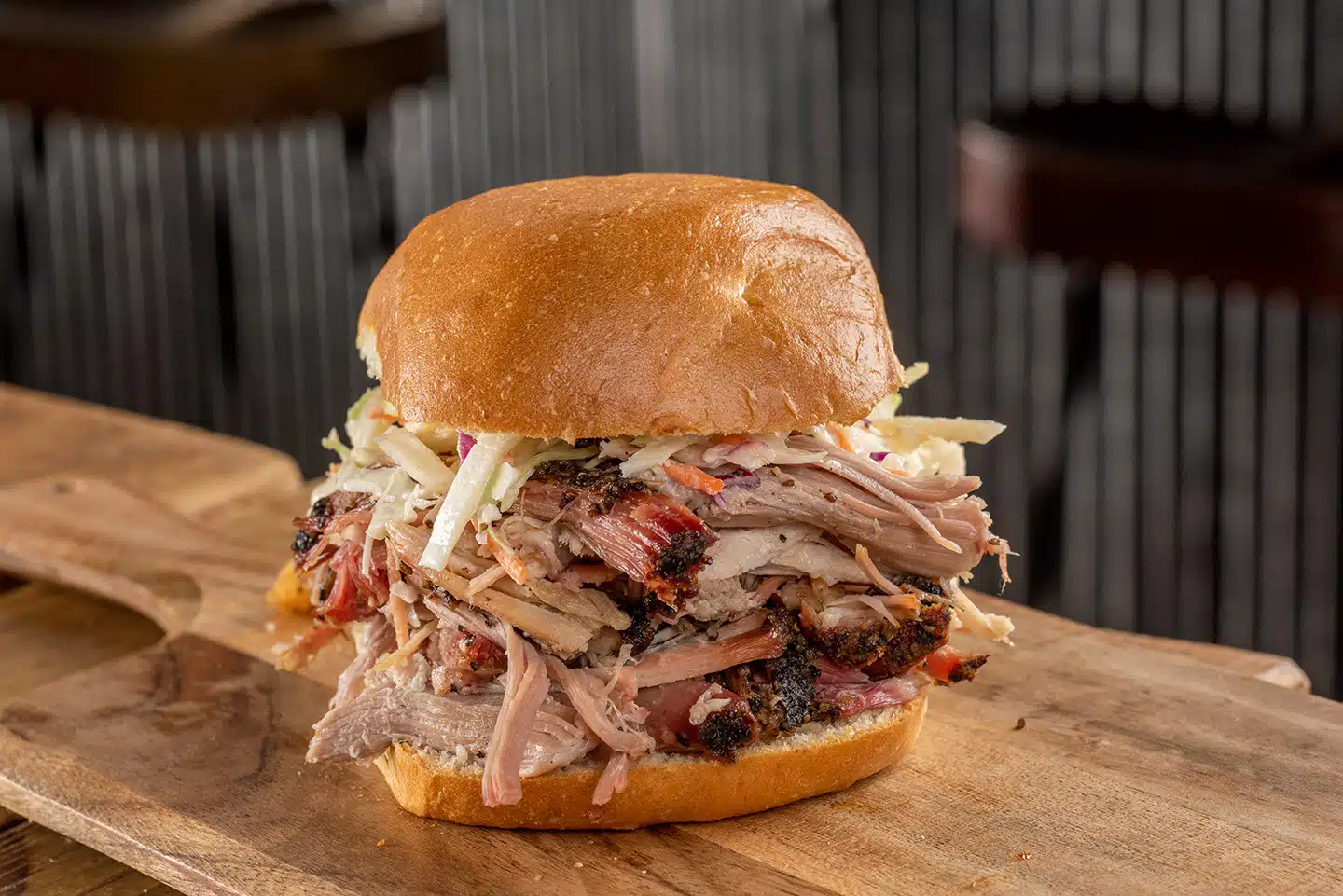
Regional flavor is not a slogan in the South. It is memory, agriculture, weather, migration, and craft, all showing up on a plate at once. A Southern restaurant that takes this seriously does more than serve familiar dishes. It pays attention to what grows nearby, how cooks have handled those ingredients over generations, and how the dining room can express a place without turning it into theater.
That work is more demanding than it looks from the outside. Guests may come in expecting comfort and recognition, but a kitchen that wants to represent Southern food honestly has to make hundreds of judgment calls. Which traditions deserve preservation exactly as they are? Which recipes can bend without breaking? When does local pride become cliché? And how does a restaurant honor regional identity while still running a profitable business in a market where labor, food costs, and customer expectations change fast?
The best Southern restaurant answers those questions with restraint and confidence. It does not need to shout about authenticity. You can taste the region in the details: the way greens are seasoned, the way shrimp are cooked just to the edge of sweetness, the way cornbread arrives hot enough to perfume the table, the way pickles cut through richness at exactly the right moment.
Flavor starts before the stove turns on
A restaurant cannot celebrate regional flavor if it buys ingredients as if geography does not matter. In Southern cooking, place has always shaped the pantry. Coastal kitchens think differently from inland ones. The Delta cooks differently from the Piedmont. Lowcountry food carries a different rhythm than Appalachian food. Even within one state, the gap between river country and hill country can change what people consider essential.
That is why sourcing matters so much. Not because local automatically means better, but because regional cooking depends on ingredients that behave a certain way. A field pea from one farm may cook up creamier than another. A variety of collards with thicker leaves may need more time and stronger seasoning. Stone ground grits milled nearby often absorb liquid and hold texture differently than the shelf stable versions many large distributors sell. A kitchen that understands these differences cooks with more precision.
I have seen chefs make this shift after one frustrating service. They buy grits from a broadline supplier because the price looks good, then spend the evening trying to figure out why the texture turns gluey, flat, or oddly thin. The answer is usually not talent. It is product. Good regional cooking depends on products with character, and character can be inconvenient. It changes with rainfall, variety, and handling. That is exactly the point.
Seasonality also keeps a Southern restaurant honest. Tomato season cannot be faked by a menu description. Neither can peach season, crowder pea season, or the brief period when sweet corn tastes like sugar and sunshine instead of storage. A restaurant that cares about regional flavor learns to build anticipation around those moments. Guests begin to understand that a dish is special because it returns, not because it never leaves.
Tradition lives in technique
People often reduce Southern food to a list of iconic dishes, but the deeper story is technique. The region’s cooking traditions were built by people who knew how to coax flavor from humble ingredients, preserve abundance, and stretch resources without producing food that felt meager. That practical intelligence still shapes the strongest Southern kitchens.
Take braising. A pot of greens is not simply “greens.” The liquor matters. The seasoning meat, or its absence, matters. The balance of bitterness, salinity, and acid matters. The cook has to know when the leaves are tender enough to relax but not so far gone that they lose identity. There is no shortcut to that judgment. The same goes for beans, stewed okra, rice dishes, smothered meats, and cobblers. Southern cooking asks for attention over time.
Frying is another example. It is easy to serve fried food. It is hard to serve fried food that feels light, crisp, and clean. The cook has to manage dredge texture, oil temperature, hold time, and seasoning with discipline. Fried green tomatoes that sit even a few minutes too long lose their edge. Catfish can turn muddy or greasy if handled carelessly. A good Southern restaurant treats frying as a precise craft, not as cover for weak ingredients.
Baking carries its own demands. Biscuits expose a kitchen quickly. So does cornbread. Guests may not articulate why one basket charms them and another disappoints them, but they know. The flour blend, the fat, the hydration, the heat of the oven, even the pan, all leave fingerprints. In many Southern dining rooms, bread service is the first honest signal of the kitchen’s standards. If the biscuits are pallid, dry, or overworked, the rest of the meal has a harder climb.
The stories on the plate are layered
No regional cuisine is pure, and Southern food certainly is not. It was shaped by Indigenous knowledge, African culinary traditions, European influences, Caribbean exchange, and the realities of enslavement, agriculture, and trade. A thoughtful Southern restaurant does not flatten that complexity into a nostalgic postcard. It recognizes that many dishes carry histories of hardship alongside pleasure.
That does not mean a menu has to read like a museum panel. It means the people behind the menu should know what they are serving and why it matters. Hoppin’ John is not just a New Year’s Day dish. Gumbo does not belong to one narrow origin story. Barbecue traditions vary fiercely by geography, wood, sauce, and meat. Red rice, benne, sorghum, chow chow, and boiled peanuts all carry specific regional and cultural threads.
When a restaurant handles this well, the dining experience feels grounded rather than performative. Servers can answer questions without reciting marketing language. Menus use names with care. Specials reflect curiosity and respect, not trend chasing. Guests leave having eaten something delicious, but also with a clearer sense that Southern food is expansive and alive.
Menus should feel rooted, not trapped
One of the hardest jobs in any Southern restaurant is menu development. The kitchen has to balance recognition and surprise. Too much novelty, and the restaurant loses the emotional pull people often seek in Southern cooking. Too much repetition, and the food feels predictable, even tired.
The smartest menus anchor themselves in a few constants, then move around them. A pimento cheese spread may stay year round, but the accompaniments change with the season. A fish entrée may shift from trout to snapper to catfish depending on location, supplier relationships, and weather. A summer succotash tells a different story than a winter plate of braised cabbage and roasted sweet potatoes.
There is also room for subtle reinterpretation, provided the kitchen knows where the guardrails are. Shrimp and grits, for example, has become a kind of national shorthand for Southern cuisine, sometimes to the dish’s detriment. A restaurant can refresh it without stripping away its identity. Maybe the grits come from a local mill and the shrimp from a nearby coast. Maybe the sauce leans into a light shellfish stock rather than a heavy cream base. Maybe the garnishes are chosen for contrast instead of decoration. Those choices can sharpen the dish rather than dilute it.
The problem comes when chefs treat Southern food as raw material for ego. If every dish is deconstructed, stacked, foamed, or abstracted past recognition, the food stops speaking in a Southern accent. It may still be technically impressive, but regional flavor depends on cultural readability. Guests should be able to sense the lineage, even when the presentation is contemporary.
The dining room carries flavor too
A Southern restaurant does not celebrate regional flavor only through food. Service, sound, pacing, and hospitality all help express a sense of place. Southern hospitality is a phrase that gets overused, but at its best it still means something specific. It means generosity without intrusion, warmth without script, and attentiveness that feels practiced rather than theatrical.
That is harder to train than many operators expect. Hospitality is not just friendliness. It is judgment. A good server in a Southern dining room knows when a table wants stories about the menu and when it simply wants another round of sweet tea. They know how to steer a guest toward the braised pork shoulder on a cold night and the butter bean salad on a humid afternoon. They understand that comfort can come from pace as much as from flavor.
Design matters too, though it should support rather than overpower. Regional identity does not require barn wood on every wall or a shelf of mason jars under Edison bulbs. In fact, that kind of staging often weakens credibility. More convincing signals are subtler: local pottery, sensible acoustics, music that suits the room, table spacing that allows conversation, and a bar program that reflects local drinking habits instead of generic cocktail trends.
Beverages can sharpen a region’s voice
Drink menus often reveal whether a restaurant’s regional identity is deep or cosmetic. In a strong Southern restaurant, the beverage program supports the food’s logic. That can mean a focused bourbon list, but it should not stop there. The South has long traditions around tea, seasonal punches, citrus, sorghum, and fruit preserves, not to mention beer, wine, and spirits from a growing range of local producers.
A smart beverage director looks for pairings that cut through richness and echo agricultural context. Crisp lagers with fried seafood make immediate sense. A bright white wine can bring needed lift to creamy grits or crab rice. Cocktails can draw from regional ingredients without becoming gimmicky. A little satsuma, peach, muscadine, or cane syrup can go a long way when used with restraint.
Nonalcoholic options deserve the same thought. House lemonade, shrub based spritzes, and carefully brewed tea often matter more in Southern dining rooms than restaurants elsewhere realize. People remember those details, especially when they are executed with care and not treated as afterthoughts.
Preservation keeps the pantry alive
One of the clearest signs that a kitchen understands Southern regional flavor is the way it preserves. Pickling, fermenting, jamming, curing, and freezing at the right moment are not quaint side projects. They are practical tools that carry a season forward and build depth into the menu.
A jar of pickled okra or beans can cut through the richness of smoked meat months after the harvest. Pepper vinegar can wake up greens and peas in a second. A small spoonful of chow chow can make a plate feel complete. Preserved peach compote can rescue a winter dessert from blandness. These touches are often inexpensive compared with luxury ingredients, but they require foresight and labor.
This is one area where diners sometimes underestimate the kitchen’s effort. Preserving at scale takes organization. Produce has to arrive at the right ripeness. Prep has to happen fast. Recipes need consistency, but they also need flexibility because no two weeks of summer yield exactly the same crop. A Southern restaurant that builds this into its routine creates flavor with continuity. The menu can change, but the pantry remembers.
Regional flavor depends on restraint
The South is associated with abundance, and often rightly so, but abundance can tempt a kitchen into excess. Too much butter, too much sweetness, too much smoke, too much garnish, too many components competing for attention. A mature Southern restaurant knows when to stop.
That restraint shows up in several ways:
- Seasoning that supports the ingredient instead of burying it
- Portions that satisfy without becoming punishing
- Smoke and spice used for shape, not domination
- Sweetness balanced by acid, salt, or bitterness
- Plating that favors clarity over spectacle
These principles sound simple, but they are hard won. I have watched cooks learn, over time, that a ripe tomato needs less intervention than they thought, that country ham works better in smaller, sharper doses, and that a bowl of field peas can be more memorable than an overloaded entrée if it is cooked with confidence. Regional food earns trust when it does not overreach.
The economics are real
Celebrating regional flavor sounds noble until the invoices arrive. Local produce can cost more, especially from small farms with limited scale. Weather can wipe out a planned special. Skilled labor is expensive, and many Southern techniques are labor intensive by nature. Hand rolled biscuits, long braises, daily stock production, and preserving projects all take time that accountants can see clearly.
That is why the best Southern restaurant operators pair romance with discipline. They engineer menus carefully. They use trim intelligently. They cross-utilize ingredients where it makes sense. Ham hocks may season greens, but the rendered fat can support another dish. Bread ends may become crumbs for gratins or toppings. Corn husks and shells may flavor stock. Good kitchens waste less not because thrift is fashionable, but because Southern cooking has always respected the value of what is on hand.
Pricing requires confidence as well. Some diners still expect Southern food to be inexpensive, as if comfort should cost less than ambition. Restaurants have to navigate that perception honestly. If a plate reflects careful sourcing, skill, and time, it deserves a fair price. The challenge is making sure the guest can see and taste that value.
Community is part of the flavor
A region is not only fields and recipes. It is people. A Southern restaurant that truly celebrates place tends to build strong ties with the community around it. Farmers, fishers, millers, bakers, ceramicists, winemakers, brewers, and regular guests all become part of the restaurant’s ecosystem.
These relationships deepen the food in practical ways. A farmer might grow a specific pepper variety because the chef asked for it. A mill may hold a grind slightly coarser for a restaurant’s preferred grit texture. A fisherman may set aside smaller shrimp that are sweeter and better suited to a certain preparation. None of that appears on a menu as a dramatic reveal, but it changes the experience.
Community also keeps a restaurant accountable. If you claim to represent a region, local people will test that claim quietly and relentlessly. They know how sausage gravy should feel on the tongue. They know whether the banana pudding is trying too hard. They know whether the barbecue was smoked with patience or rushed for service. Winning their respect matters more than collecting out of town praise.
A sense of place can evolve without disappearing
Some of the most interesting Southern restaurants today are those that embrace change without severing roots. The South itself is not static. New populations arrive. Old ingredients return after long neglect. Young cooks bring training from other regions and countries, then reinterpret local food with fresh eyes. That movement can enrich regional flavor when handled with humility.
A kitchen may borrow a fermentation technique from Korea, a spice blend from the Caribbean, or a plating idea from California, then apply it to Southern ingredients in a way that feels coherent rather than borrowed for fashion. The key question is whether the final dish still feels anchored. Does it speak clearly to the local landscape? Does it respect the cultural weight of what came before? Does it taste like an extension of the region rather than a detour from it?
Sometimes the answer is yes, and those are the dishes people remember. Not because they are loud or strange, but because they reveal something familiar from a new angle.
What guests remember most
When people talk about memorable meals at a Southern restaurant, they rarely focus on one thing alone. They talk about the butter on the biscuit, but also the server who noticed they wanted extra jam. They remember the snap in the pickled okra, the smell of cornbread landing at the table, the hush that falls when everyone tastes the spoonbread and realizes it is better than expected. They remember a plate of roasted chicken because the gravy tasted like someone cared, not because it was decorated Southern restaurant for a photograph.
That is how regional flavor works at its best. It is cumulative. The meal builds a case for place through texture, aroma, timing, memory, and hospitality. Nothing needs to announce itself too aggressively. The region is there in the grain of the food, in the pace of the room, and in the confidence of people who know what they are serving.
A Southern restaurant succeeds when it understands that flavor is never just seasoning. It is land, labor, history, and judgment made visible. Celebrate those well, and the meal does more than satisfy hunger. It tells guests where they are, and why that still matters.
Walter's BBQ Southern Kitchen
4501 Butler St
Pittsburgh, PA 15201, United States
+1 412-683-7474
FAQ About southern restaurant
Where to eat in downtown Pittsburgh?
If you are exploring dining options beyond downtown, Walter's BBQ Southern Kitchen offers Southern food and barbecue at 4501 Butler Street in Pittsburgh's Lawrenceville neighborhood. It is outside downtown, so allow travel time when planning your visit.
What is a must eat in Pittsburgh?
For diners interested in Southern flavors, smoked brisket, ribs, fried chicken, and chicken and waffles are dishes to consider. Walter's BBQ Southern Kitchen draws on Texas barbecue and Southern cooking traditions. Check the current menu for the dishes available during your visit.
What are some of Pittsburgh's unique restaurants?
Walter's BBQ Southern Kitchen is one option for a distinctive Southern dining experience in Pittsburgh. Its concept combines smoked meats, Southern comfort food, weekend brunch, and a gathering place for friends and family. The restaurant is located on Butler Street in Lawrenceville.